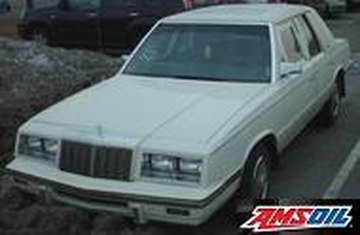
Lubrication Maintenance for the 1982 Chrysler LEBARON 2.6L
Maintaining the engine lubrication system in a vehicle like the 1982 Chrysler LEBARON with the 2.6L engine requires consistent attention to fluid condition and component integrity. As vehicles age, the methods used to monitor and manage engine health become increasingly important for ensuring continued operation. Proper maintenance involves more than just periodic fluid changes; it requires a proactive approach to inspecting the various systems that support the engine's internal environment.
Monitoring Fluid Condition and Potential Leaks
One of the most effective ways to monitor the health of the 2.6L engine is through regular visual inspections for signs of fluid loss or contamination. Because this vehicle was manufactured several decades ago, inspecting the sealing surfaces and surrounding areas is a practical priority. Owners should look for any evidence of seepage or active leaks around the engine block and associated components.
When performing these checks, consider the following:
- Surface Seepage: Inspect gaskets and seals for signs of age-related seepage. Even if a leak is not actively dripping, a film of oil on various surfaces can indicate that a seal is beginning to lose its effectiveness.
- Fluid Appearance: If the engine oil is checked via a dipstick, observe its color and consistency. While some darkening is expected as oil undergoes thermal cycles, extremely thick or gritty textures may warrant further investigation into the service history of the vehicle.
- External Contamination: Check for any buildup of grime or debris that might be masking a slow leak. Keeping the engine area relatively clean can make it much easier to identify new or worsening issues early on.
It is important to note that many different factors can cause fluid-related symptoms. A visible spot on the ground or an odor may indicate various issues, ranging from a loose component to a degrading seal. Rather than attempting to diagnose a specific failure based solely on a visual cue, these observations should be treated as indicators that a more thorough inspection is necessary.
Managing Long-Term Engine Health
For owners of a 1982 Chrysler LEBARON, establishing a clear understanding of the vehicle's maintenance history is a vital part of long-term ownership. When a vehicle has been in service for many years, knowing what has been replaced and when can help prioritize future service tasks.
If the previous service records are incomplete, an owner might consider establishing a baseline by performing a comprehensive inspection of all major fluid systems and aging components. This does not mean replacing parts that are still functioning correctly; rather, it means identifying which items are nearing the end of their expected service life. For example, inspecting the condition of hoses or electrical connections can help distinguish between routine preventive maintenance and repairs that are necessitated by active wear.
Prioritizing maintenance based on current condition is often more effective than following generic age-based schedules. An engine that has been consistently serviced will have different needs than one that shows signs of previous neglect. By focusing on addressing active leaks, monitoring changes in fluid consumption, and keeping detailed records of all completed work, an owner can make much more informed decisions regarding the vehicle's upkeep.
Observing Potential Warning Signs
While routine inspections are the first line of defense, certain symptoms may indicate that the engine requires immediate attention. Recognizing these signs early can prevent minor issues from escalating into more significant mechanical concerns.
Potential indicators that warrant investigation include:
- Changes in Lubricant Consumption: If you find that you are needing to add oil more frequently than in previous months, this change in consumption should be investigated.
- Unusual Noises: Any new or persistent mechanical sounds coming from the engine area during operation can be associated with various lubrication or mechanical issues.
- Warning Indicators: If any dashboard indicators related to engine health or fluid levels illuminate, these require immediate attention to prevent potential damage.
- Exhaust Observations: Changes in the appearance of exhaust gases can sometimes be linked to the internal state of the engine and its lubrication.
Because symptoms like unusual noises or changes in consumption can have multiple underlying causes, they should not be used to definitively diagnose a single failed component. Instead, these signs serve as prompts to consult service documentation or a professional technician for an accurate diagnosis.
System Integrity and Component Inspection
Beyond the oil itself, the components that support engine operation must be kept in good working order. For a 1982 model, this includes checking various peripheral systems that may affect how the engine performs under load or during temperature changes.
If equipped, inspecting accessible drive belts for signs of cracking, glazing, or fraying is a prudent part of any service routine. Similarly, if the vehicle is present with various hoses and cooling-system components, checking these for brittleness or leaks is essential. Even though these parts are not directly part of the engine's internal lubrication, their condition can impact the overall thermal management of the engine, which in turn affects how the oil performs.
Electrical connections and wiring should also be inspected for signs of corrosion or damage. In older vehicles, aging electrical components can sometimes lead to erratic sensor readings, which might incorrectly suggest issues with fluid levels or engine performance. A clean and secure connection is fundamental to the accuracy of the vehicle's monitoring systems.
Selecting Lubricants for Aging Engines
As engines age, the requirements for lubrication may evolve. Some owners choose to utilize high-mileage oil formulations, which are designed with specific additives intended for use in aging engines. These formulations often include seal-conditioning additives that may assist in maintaining the integrity of older gaskets and seals.
When deciding between conventional, synthetic blends, or full synthetic oils, it is important to consider the overall maintenance philosophy of the vehicle. While modern synthetic oils offer excellent thermal stability and resistance to oxidation, the primary goal should always be to match the lubricant to the specific requirements of the 2.6L engine as outlined in the application data provided for this vehicle.
Practical Advice for Buying Engine Oil for a 1982 Chrysler LEBARON 2.6L
When you are ready to purchase new lubricant, the most important step is to ensure that the product matches the specific requirements of your engine. Do not rely on general automotive knowledge or assumptions based on the vehicle's age to select a grade. Instead, match the engine oil to the application-specific viscosity information already displayed on this page.
Before completing your purchase, always check the product labeling to verify that the oil meets the appropriate quality standards and certifications. If you are considering high-mileage formulations due to the age of the vehicle, ensure they are compatible with your specific maintenance goals. By strictly following the viscosity and application details provided in the technical information above, you can ensure that your 1982 Chrysler LEBARON 2.6L receives the correct lubrication for its design.